Labels

Tuesday, 31 March 2026


 Explore Bank Exam Library | Visit Current Affairs HubShaktimatha Learning

Picture used in Current Affairs


🌐 All Languages | 📚 MCQs | 🚀 Courses

Shaktimatha Learning

Ultimate Multi-Language Learning Platform


📚 Choose Your Language


 Master Libraries


🔥 Motivation & Life Skills


📊 Courses & Skills


🎯 UPSC Special Libraries


All courses in one place — Visit Master Hub

📚 Shaktimatha Learning | Mega Learning Library

📘 GATE Electrical Power Systems – Complete Structured Course (2026) | Click Here

📚 Access the full course: Public Speaking Complete Series Library

© 2026 Mind Grow Magazine – IIT JEE Physics Library

UPSC / UPPSC Complete Study Material – Master Library

📰 Trusted Daily News Sources

We collect and simplify content from reliable national & regional sources for exam preparation.

🇮🇳 Telugu
Eenadu | Sakshi | Andhra Jyothi

🌍 English
The Hindu | Indian Express | PIB

🇮🇳 Hindi
Dainik Jagran | Dainik Bhaskar | PIB Hindi

🇮🇳 Tamil
Daily Thanthi | Dinamalar | The Hindu Tamil

🇮🇳 Kannada
Vijaya Karnataka | Prajavani | Prabhat Khabar Kannada

🇮🇳 Malayalam
Manorama Online | Mathrubhumi | The Hindu Kerala


📌 Content curated and simplified for educational & exam preparation purposes only.
📚 Shaktimatha Learning – Multi-Language Current Affairs Platform

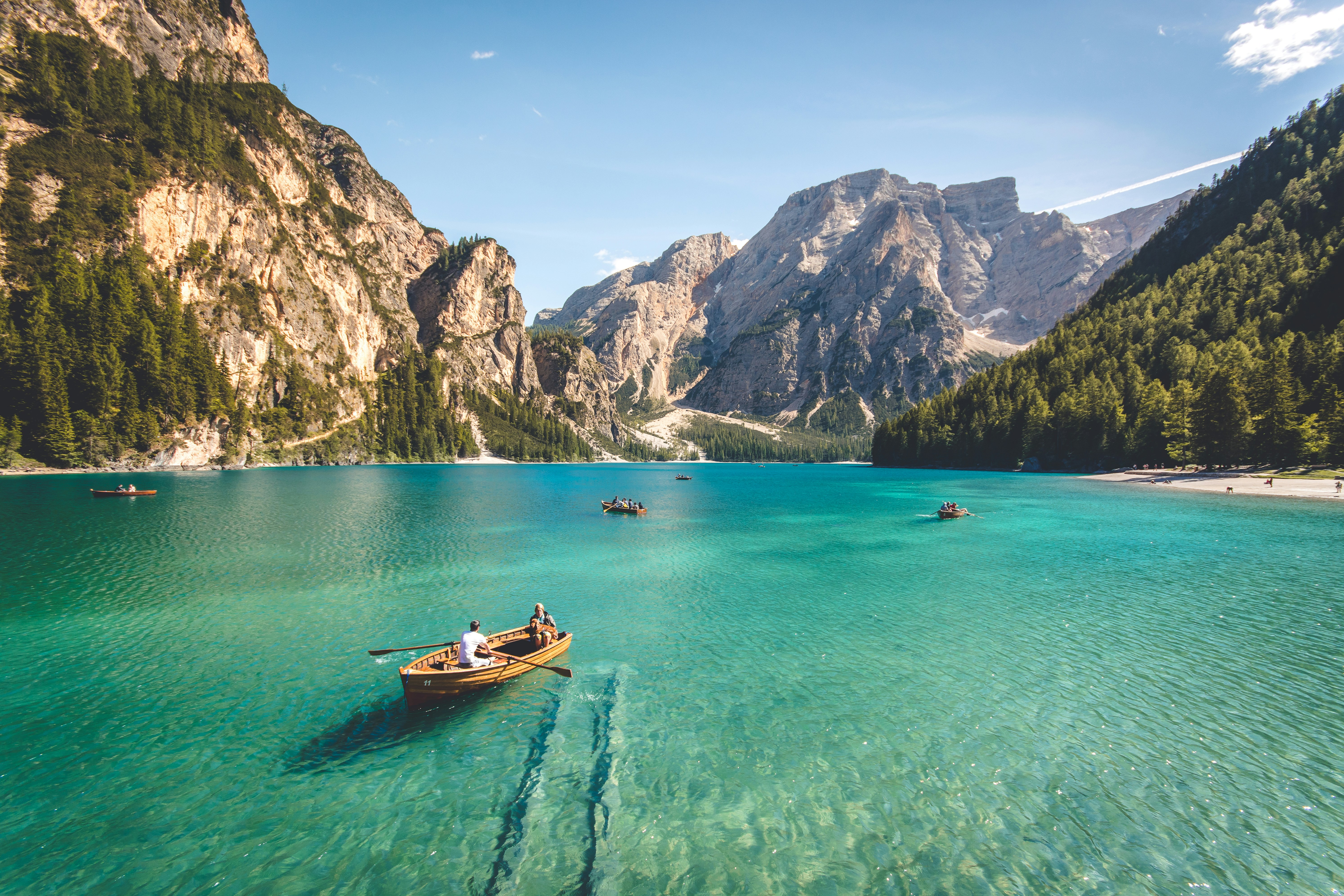
 

Why Do Different Land Masses Form on Earth?

Deserts | Grasslands | Polar Regions | Shaktimatha Learning


Landforms Earth

1. Introduction

Have you ever wondered why some regions on Earth are deserts, some are covered with grasslands, and others remain frozen?

The answer lies in the interaction of climate, solar energy, and geographical factors.


2. Types of Major Land Masses

  • Deserts – Very low rainfall and dry climate
  • Grasslands – Moderate rainfall and seasonal climate
  • Polar Regions – Extremely cold and ice-covered areas

3. Why Does Variation Occur?

Earth does not receive equal sunlight everywhere. This leads to temperature differences, which influence climate and landforms.

  • Unequal distribution of solar energy
  • Earth’s spherical shape
  • Axial tilt (23.5°)
  • Atmospheric circulation

4. Key Controlling Factors

  • Latitude – Determines temperature
  • Pressure belts – Controls air movement
  • Winds – Carry moisture
  • Ocean currents – Affect temperature
  • Rainfall distribution – Determines vegetation

5. Simple Understanding

Equator → High heat + High rainfall → Forests 30° Latitude → Dry air → Deserts Poles → Low heat → Ice regions


6. Importance for Exams

  • Frequently asked in UPSC and SSC exams
  • Important for Geography + Environment topics
  • Concept-based questions are common

7. Conclusion

Land mass formation is not random. It is the result of a complex interaction between solar energy, atmosphere, and Earth’s physical features.


Explore the complete MCQ library: General Studies MCQs Complete Library | Shaktimatha Learning

Shaktimatha Learning | Geography Special Topic


Land Mass Formation – 200 MCQs (Final Test)

Questions 161–200 | Shaktimatha Learning


Final Test MCQs (161–200)

161. What is the main source of Earth’s climate?
A) Moon
B) Sun
C) Ocean
D) Wind

162. Which region receives direct sunlight?
A) Poles
B) Equator
C) 60° latitude
D) None

163. Why are deserts formed at 30° latitude?
A) Low pressure
B) High pressure
C) Heavy rainfall
D) Ice formation

164. What type of climate is found at poles?
A) Hot
B) Moderate
C) Cold
D) None

165. What is a grassland?
A) Forest
B) Grass-dominated region
C) Desert
D) None

166. What controls climate zones?
A) Latitude
B) Pressure
C) Winds
D) All

167. What is pressure?
A) Heat
B) Air force
C) Water
D) None

168. Winds move from:
A) Low to high
B) High to low
C) Same pressure
D) None

169. What is Coriolis effect?
A) Wind deflection
B) Rainfall
C) Heat
D) None

170. What is ocean current?
A) Air flow
B) Water flow
C) Heat
D) None

171. Cold currents cause:
A) Rainfall
B) Desert formation
C) Forest growth
D) None

172. What is rainfall caused by?
A) Condensation
B) Heat
C) Wind
D) None

173. Windward side gets:
A) Less rainfall
B) Heavy rainfall
C) Ice
D) None

174. Leeward side gets:
A) Heavy rainfall
B) Dry climate
C) Ice
D) None

175. What is rain shadow?
A) Wet region
B) Dry region
C) Forest
D) None

176. What is relief?
A) Height variation
B) Water
C) Air
D) None

177. Mountains affect climate by:
A) Blocking winds
B) Causing rainfall
C) Creating dry areas
D) All

178. What is altitude?
A) Height
B) Water
C) Air
D) None

179. Temperature decreases with:
A) Height increase
B) Height decrease
C) Water
D) None

180. Coastal climate is:
A) Extreme
B) Moderate
C) Dry
D) None

181. What is global warming?
A) Cooling
B) Temperature increase
C) Rainfall
D) None

182. What causes global warming?
A) CO₂
B) Oxygen
C) Nitrogen
D) None

183. What is climate change?
A) No change
B) Long-term change
C) Short-term change
D) None

184. What is desertification?
A) Forest growth
B) Land turning desert
C) Rainfall
D) None

185. What is deforestation?
A) Planting trees
B) Cutting trees
C) Water
D) None

186. What is conservation?
A) Destruction
B) Protection
C) Pollution
D) None

187. What is sustainable development?
A) Unlimited use
B) Balanced use
C) No use
D) None

188. Renewable resource example:
A) Coal
B) Solar energy
C) Oil
D) None

189. Non-renewable resource example:
A) Wind
B) Solar
C) Coal
D) None

190. What is carbon footprint?
A) Water use
B) Carbon emission
C) Soil
D) None

191. Human impact includes:
A) Urbanization
B) Industry
C) Agriculture
D) All

192. What is urbanization?
A) Village growth
B) City growth
C) Forest
D) None

193. What is industrialization?
A) Farming
B) Industry growth
C) Water
D) None

194. What is sea level rise caused by?
A) Ice melting
B) Rain
C) Wind
D) None

195. What is land degradation?
A) Improvement
B) Quality loss
C) Water
D) None

196. What is soil erosion?
A) Formation
B) Removal
C) Water
D) None

197. What is environmental protection?
A) Pollution
B) Protection
C) Destruction
D) None

198. What is green energy?
A) Coal
B) Renewable energy
C) Oil
D) None

199. What is sustainability?
A) Unlimited use
B) Future care
C) Destruction
D) None

200. What is main driver of land mass formation?
A) Climate system
B) Soil
C) Buildings
D) None


Answer Key

161.B 162.B 163.B 164.C 165.B
166.D 167.B 168.B 169.A 170.B
171.B 172.A 173.B 174.B 175.B
176.A 177.D 178.A 179.A 180.B
181.B 182.A 183.B 184.B 185.B
186.B 187.B 188.B 189.C 190.B
191.D 192.B 193.B 194.A 195.B
196.B 197.B 198.B 199.B 200.A


Land Mass Formation – 200 MCQs (Page 4)

Environment | Climate Change | Human Impact | Shaktimatha Learning


MCQs (121–160)

121. What is environment?
A) Air only
B) Surroundings of living beings
C) Water only
D) None

122. What is ecosystem?
A) Only living things
B) Living + non-living interaction
C) Water only
D) None

123. What is biodiversity?
A) One species
B) Variety of life
C) Water
D) None

124. What is pollution?
A) Clean air
B) Contamination of environment
C) Rainfall
D) None

125. What is air pollution?
A) Clean air
B) Harmful gases in air
C) Water
D) None

126. What is water pollution?
A) Clean water
B) Contaminated water
C) Soil
D) None

127. What is soil pollution?
A) Fertile soil
B) Contaminated soil
C) Clean soil
D) None

128. What is global warming?
A) Cooling
B) Increase in Earth’s temperature
C) Rainfall
D) None

129. What causes global warming?
A) CO₂
B) Oxygen
C) Nitrogen
D) None

130. What are greenhouse gases?
A) CO₂
B) Methane
C) Water vapor
D) All

131. What is climate change?
A) Stable climate
B) Long-term change in climate
C) No change
D) None

132. What is desertification?
A) Forest growth
B) Land turning into desert
C) Rainfall
D) None

133. What causes desertification?
A) Deforestation
B) Overgrazing
C) Climate change
D) All

134. What is deforestation?
A) Forest growth
B) Cutting of trees
C) Water
D) None

135. What is afforestation?
A) Cutting trees
B) Planting trees
C) Pollution
D) None

136. What is soil erosion?
A) Soil formation
B) Soil removal
C) Water
D) None

137. What causes soil erosion?
A) Wind
B) Water
C) Human activities
D) All

138. What is conservation?
A) Resource destruction
B) Resource protection
C) Pollution
D) None

139. What is sustainable development?
A) Use without limits
B) Use with future care
C) No use
D) None

140. What is renewable resource?
A) Coal
B) Solar energy
C) Petroleum
D) None

141. What is non-renewable resource?
A) Wind
B) Solar
C) Coal
D) Water

142. What is carbon footprint?
A) Water usage
B) Carbon emissions
C) Soil
D) None

143. What is human impact on land?
A) Urbanization
B) Agriculture
C) Industrialization
D) All

144. What is urbanization?
A) Village growth
B) City growth
C) Forest growth
D) None

145. What is industrialization?
A) Farming
B) Industry growth
C) Water
D) None

146. What is climate impact on land?
A) Desert formation
B) Floods
C) Soil change
D) All

147. What is melting ice effect?
A) Sea level rise
B) Cooling
C) No effect
D) None

148. What is sea level rise caused by?
A) Ice melting
B) Rainfall
C) Wind
D) None

149. What is land degradation?
A) Land improvement
B) Land quality reduction
C) Water
D) None

150. What causes land degradation?
A) Pollution
B) Overuse
C) Climate change
D) All

151. What is conservation of soil?
A) Soil removal
B) Soil protection
C) Pollution
D) None

152. What is water conservation?
A) Waste water
B) Saving water
C) Pollution
D) None

153. What is forest conservation?
A) Cutting trees
B) Protecting forests
C) Burning
D) None

154. What is environmental protection?
A) Pollution
B) Protecting nature
C) Destruction
D) None

155. What is sustainable use?
A) Unlimited use
B) Limited and balanced use
C) No use
D) None

156. What is climate mitigation?
A) Increasing pollution
B) Reducing climate impact
C) No action
D) None

157. What is adaptation?
A) Ignoring change
B) Adjusting to climate change
C) Pollution
D) None

158. What is green energy?
A) Coal
B) Renewable energy
C) Oil
D) None

159. What is environmental balance?
A) Disturbance
B) Stability
C) Pollution
D) None

160. What is main goal of sustainability?
A) Present use only
B) Future protection
C) Destruction
D) None


Answer Key

121.B 122.B 123.B 124.B 125.B
126.B 127.B 128.B 129.A 130.D
131.B 132.B 133.D 134.B 135.B
136.B 137.D 138.B 139.B 140.B
141.C 142.B 143.D 144.B 145.B
146.D 147.A 148.A 149.B 150.D
151.B 152.B 153.B 154.B 155.B
156.B 157.B 158.B 159.B 160.B


Land Mass Formation – 200 MCQs (Page 3)

Ocean Currents | Rainfall | Relief Features | Shaktimatha Learning


MCQs (81–120)

81. What is an ocean current?
A) Air movement
B) Water movement
C) Heat
D) None

82. Warm currents bring:
A) Cold climate
B) Warm climate
C) Dry weather
D) None

83. Cold currents bring:
A) Warm weather
B) Cold and dry climate
C) Rainfall
D) None

84. Which current is warm?
A) Labrador
B) Gulf Stream
C) Humboldt
D) None

85. Which current is cold?
A) Gulf Stream
B) Kuroshio
C) Humboldt
D) None

86. Cold currents are associated with:
A) Heavy rainfall
B) Desert formation
C) Forests
D) None

87. Why do deserts form near cold currents?
A) Moist air
B) Dry air
C) Rainfall
D) None

88. Example of desert due to cold current:
A) Sahara
B) Atacama
C) Amazon
D) None

89. What is rainfall?
A) Heat
B) Water falling from clouds
C) Wind
D) None

90. What causes rainfall?
A) Condensation
B) Pressure
C) Wind
D) None

91. What is convectional rainfall?
A) Mountain rainfall
B) Heat-based rainfall
C) Cyclonic rainfall
D) None

92. What is orographic rainfall?
A) Flat rainfall
B) Mountain rainfall
C) Ocean rainfall
D) None

93. What is cyclonic rainfall?
A) Pressure-based rainfall
B) Heat-based rainfall
C) Mountain rainfall
D) None

94. Windward side receives:
A) Less rainfall
B) Heavy rainfall
C) No rainfall
D) None

95. Leeward side receives:
A) Heavy rainfall
B) Less rainfall
C) Ice
D) None

96. What is rain shadow region?
A) High rainfall area
B) Dry area behind mountains
C) Forest area
D) None

97. Example of rain shadow region:
A) Western Ghats
B) Deccan Plateau
C) Himalayas
D) None

98. What is relief?
A) Height variation of land
B) Water
C) Air
D) None

99. Mountains affect climate by:
A) Blocking winds
B) Increasing rainfall
C) Creating rain shadow
D) All

100. What is plateau?
A) Low land
B) Flat elevated land
C) Water body
D) None

101. What is plain?
A) High land
B) Flat low land
C) Mountain
D) None

102. What is altitude?
A) Height above sea level
B) Water
C) Wind
D) None

103. Temperature decreases with:
A) Height increase
B) Height decrease
C) Water
D) None

104. What is lapse rate?
A) Temperature rise
B) Temperature fall with height
C) Rainfall
D) None

105. Coastal areas have:
A) Extreme climate
B) Moderate climate
C) Dry climate
D) None

106. Continental areas have:
A) Moderate climate
B) Extreme climate
C) Wet climate
D) None

107. What is humidity?
A) Heat
B) Moisture
C) Pressure
D) None

108. What is evaporation?
A) Water to vapor
B) Vapor to water
C) Ice
D) None

109. What is condensation?
A) Vapor to water
B) Water to vapor
C) Ice
D) None

110. Clouds form due to:
A) Condensation
B) Heat
C) Wind
D) None

111. What is fog?
A) Ground cloud
B) Rain
C) Wind
D) None

112. What is dew?
A) Ice
B) Condensed water on surface
C) Rain
D) None

113. What is frost?
A) Ice formation
B) Rain
C) Wind
D) None

114. What controls rainfall distribution?
A) Winds
B) Relief
C) Ocean currents
D) All

115. What is desertification?
A) Forest growth
B) Land turning into desert
C) Rainfall
D) None

116. What affects desert formation most?
A) Rainfall
B) Pressure
C) Currents
D) All

117. What is coastal desert example?
A) Sahara
B) Atacama
C) Thar
D) None

118. What is interior desert example?
A) Sahara
B) Atacama
C) Amazon
D) None

119. What is climatic control system?
A) Interaction of land, water, air
B) Only land
C) Only air
D) None

120. What is major driver of rainfall?
A) Condensation
B) Wind
C) Pressure
D) All


Answer Key

81.B 82.B 83.B 84.B 85.C
86.B 87.B 88.B 89.B 90.A
91.B 92.B 93.A 94.B 95.B
96.B 97.B 98.A 99.D 100.B
101.B 102.A 103.A 104.B 105.B
106.B 107.B 108.A 109.A 110.A
111.A 112.B 113.A 114.D 115.B
116.D 117.B 118.A 119.A 120.D


Land Mass Formation – 200 MCQs (Page 2)

Climate | Pressure Belts | Winds | Shaktimatha Learning


MCQs (41–80)

41. What is air pressure?
A) Weight of air
B) Heat
C) Water
D) None

42. High pressure area is associated with:
A) Rising air
B) Sinking air
C) Rainfall
D) Storms

43. Low pressure area is associated with:
A) Sinking air
B) Rising air
C) Dry weather
D) None

44. Why do deserts form at 30° latitude?
A) Low pressure
B) High pressure
C) Rainfall
D) Snow

45. What is a pressure belt?
A) Wind zone
B) Area of similar pressure
C) Ocean
D) None

46. Equatorial region has:
A) High pressure
B) Low pressure
C) No pressure
D) None

47. What causes low pressure at equator?
A) Cold air
B) Heated rising air
C) Ice
D) None

48. What causes high pressure at 30°?
A) Rising air
B) Sinking air
C) Rainfall
D) None

49. What is wind?
A) Moving air
B) Water
C) Heat
D) None

50. Wind moves from:
A) Low to high pressure
B) High to low pressure
C) Same pressure
D) None

51. Trade winds blow from:
A) Equator to poles
B) 30° to equator
C) Poles to equator
D) None

52. Westerlies blow in:
A) Tropics
B) Mid-latitudes
C) Poles
D) None

53. Polar winds blow from:
A) Equator
B) Poles
C) Tropics
D) None

54. What is Coriolis effect?
A) Wind deflection
B) Heat
C) Rainfall
D) None

55. Coriolis effect is caused by:
A) Revolution
B) Rotation
C) Gravity
D) None

56. Winds are important because:
A) Move heat
B) Bring rainfall
C) Affect climate
D) All

57. What is monsoon?
A) Seasonal wind
B) Permanent wind
C) Ocean current
D) None

58. Monsoon is important for:
A) Agriculture
B) Industry
C) Buildings
D) None

59. What happens in low pressure area?
A) Rainfall
B) Dry weather
C) No wind
D) None

60. What happens in high pressure area?
A) Rainfall
B) Dry weather
C) Storm
D) None

61. What is jet stream?
A) Water flow
B) High speed wind
C) Rain
D) None

62. Jet streams occur in:
A) Surface
B) Upper atmosphere
C) Ocean
D) None

63. What affects wind direction?
A) Pressure
B) Rotation
C) Coriolis effect
D) All

64. What is global circulation?
A) Ocean flow
B) Air movement system
C) Rainfall
D) None

65. Hadley cell is found in:
A) Tropics
B) Poles
C) Mid-latitudes
D) None

66. Ferrel cell is found in:
A) Tropics
B) Mid-latitudes
C) Poles
D) None

67. Polar cell is found in:
A) Tropics
B) Mid-latitudes
C) Poles
D) None

68. What is convection?
A) Rising warm air
B) Cold air
C) Water
D) None

69. What causes rainfall at equator?
A) Convection
B) Pressure
C) Wind
D) None

70. Why are deserts dry?
A) Low pressure
B) High pressure
C) High rainfall
D) None

71. What is humidity?
A) Heat
B) Moisture
C) Pressure
D) None

72. What affects rainfall most?
A) Winds
B) Pressure
C) Temperature
D) All

73. What is cyclonic condition?
A) High pressure
B) Low pressure
C) No pressure
D) None

74. What is anticyclone?
A) Low pressure
B) High pressure
C) Rainfall
D) None

75. What is convergence?
A) Air meeting
B) Air separating
C) Water
D) None

76. What is divergence?
A) Air meeting
B) Air spreading
C) Heat
D) None

77. What happens at ITCZ?
A) High pressure
B) Low pressure
C) Cold
D) None

78. ITCZ is located near:
A) Poles
B) Equator
C) 30°
D) None

79. What is climate system driven by?
A) Sun energy
B) Wind
C) Ocean
D) None

80. What connects pressure, wind, and rainfall?
A) Climate system
B) Soil
C) Water
D) None


Answer Key

41.A 42.B 43.B 44.B 45.B
46.B 47.B 48.B 49.A 50.B
51.B 52.B 53.B 54.A 55.B
56.D 57.A 58.A 59.A 60.B
61.B 62.B 63.D 64.B 65.A
66.B 67.C 68.A 69.A 70.B
71.B 72.D 73.B 74.B 75.A
76.B 77.B 78.B 79.A 80.A


Special Topic – Land Mass Formation (200 MCQs) – Page 1

Basics | Climate | Latitude | Shaktimatha Learning


MCQs (1–40)

1. What is the main source of energy for Earth’s climate?
A) Moon
B) Sun
C) Ocean
D) Wind

2. Why does Earth have different climates?
A) Flat shape
B) Unequal solar radiation
C) Same temperature
D) None

3. Which factor mainly controls climate?
A) Latitude
B) Color of soil
C) Buildings
D) None

4. Equator receives what type of sunlight?
A) Direct
B) Indirect
C) No sunlight
D) Weak

5. Poles receive what type of sunlight?
A) Direct
B) Indirect
C) Strong
D) None

6. What happens at Equator?
A) Low temperature
B) High rainfall
C) No rainfall
D) Ice formation

7. What happens at 30° latitude?
A) Heavy rainfall
B) Desert formation
C) Snowfall
D) Forests

8. What happens at poles?
A) High heat
B) Ice regions
C) Forests
D) Grasslands

9. What is a desert?
A) High rainfall area
B) Low rainfall area
C) Cold region
D) None

10. What is a grassland?
A) Dense forest
B) Grass-dominated land
C) Desert
D) None

11. What is a polar region?
A) Hot region
B) Cold ice-covered region
C) Rainy region
D) None

12. What is the Earth’s tilt?
A) 10°
B) 23.5°
C) 45°
D) 90°

13. What does latitude influence?
A) Climate
B) Buildings
C) Rivers
D) None

14. What causes seasons?
A) Rotation
B) Revolution + tilt
C) Wind
D) None

15. What is climate?
A) Daily weather
B) Long-term weather pattern
C) Rain only
D) None

16. What is weather?
A) Long-term pattern
B) Short-term condition
C) None
D) Climate

17. Which region has highest rainfall?
A) Desert
B) Equator
C) Poles
D) None

18. Which region has least rainfall?
A) Desert
B) Forest
C) Ocean
D) None

19. What is solar energy?
A) Heat from Earth
B) Energy from Sun
C) Wind energy
D) None

20. What is the main factor for temperature variation?
A) Latitude
B) Soil
C) Water
D) None

21. What type of climate is found near equator?
A) Cold
B) Tropical
C) Dry
D) None

22. What type of climate is found in deserts?
A) Humid
B) Dry
C) Cold
D) None

23. What type of climate is found in poles?
A) Hot
B) Cold
C) Moderate
D) None

24. What is insolation?
A) Water
B) Solar radiation
C) Soil
D) None

25. What is the main driver of climate zones?
A) Sunlight distribution
B) Buildings
C) Population
D) None

26. What is temperature?
A) Cold
B) Measure of heat
C) Rain
D) None

27. What is rainfall?
A) Heat
B) Water falling from clouds
C) Wind
D) None

28. Which region has dense forests?
A) Equator
B) Desert
C) Poles
D) None

29. What is humidity?
A) Heat
B) Moisture in air
C) Wind
D) None

30. What is evaporation?
A) Water to vapor
B) Vapor to water
C) Ice
D) None

31. What is condensation?
A) Vapor to water
B) Water to vapor
C) Ice
D) None

32. What causes rainfall?
A) Condensation
B) Heat
C) Wind
D) None

33. What is climate zone?
A) Same temperature area
B) Region with similar climate
C) None
D) Random area

34. What is tropical zone?
A) Cold region
B) Hot region
C) Ice region
D) None

35. What is temperate zone?
A) Moderate climate
B) Hot climate
C) Cold climate
D) None

36. What is polar zone?
A) Hot
B) Cold
C) Moderate
D) None

37. Which factor affects rainfall most?
A) Temperature
B) Pressure
C) Winds
D) All

38. What is wind?
A) Moving air
B) Water
C) Soil
D) None

39. What is pressure?
A) Air force
B) Water force
C) Heat
D) None

40. What is climate system?
A) Interaction of atmosphere, land, water
B) Only land
C) Only water
D) None


Answer Key

1.B 2.B 3.A 4.A 5.B
6.B 7.B 8.B 9.B 10.B
11.B 12.B 13.A 14.B 15.B
16.B 17.B 18.A 19.B 20.A
21.B 22.B 23.B 24.B 25.A
26.B 27.B 28.A 29.B 30.A
31.A 32.A 33.B 34.B 35.A
36.B 37.D 38.A 39.A 40.A


Daily Current Affairs – Final Test

Date: 1 April 2026 | Shaktimatha Learning


Final Test

Final Test (Questions 1–20)

1. What is the main cause of global economic volatility?
A) Agriculture
B) Market fluctuations
C) Education
D) Health sector

2. What happens when inflation increases?
A) Prices fall
B) Prices rise
C) No change
D) Production decreases

3. What is a key impact of climate change?
A) Stable climate
B) Weather instability
C) Decrease in temperature
D) No effect

4. AI mainly affects which area?
A) Sports
B) Jobs and industries
C) Tourism
D) Agriculture only

5. What happens when interest rates increase?
A) Investment increases
B) Investment decreases
C) No change
D) Production increases

6. What is the main cause of desert expansion?
A) Heavy rainfall
B) Climate change
C) Cold weather
D) Ocean currents

7. What is happening in polar regions?
A) Ice is increasing
B) Ice is melting
C) No change
D) Temperature decreasing

8. What is digital economy?
A) Cash-based economy
B) Online economic activities
C) Agriculture-based economy
D) Manual systems

9. Why is cybersecurity important?
A) Data protection
B) Storage
C) Output
D) Input

10. What is the benefit of renewable energy?
A) Increases pollution
B) Environmental protection
C) Increases cost
D) Reduces production

11. What does economic slowdown mean?
A) Rapid growth
B) Decline in growth
C) Stable growth
D) No change

12. What is the impact of AI?
A) Automation
B) Job changes
C) Productivity increase
D) All of the above

13. How is rainfall changing due to climate change?
A) Stable
B) Irregular
C) Only decreasing
D) Only increasing

14. Why is India focusing on renewable energy?
A) Environment
B) Economy
C) Pollution reduction
D) All of the above

15. What is technological revolution?
A) Slow growth
B) Rapid development
C) No change
D) None

16. What is the effect of inflation on people?
A) Costs decrease
B) Costs increase
C) Income increases
D) None

17. What does uncertainty in markets mean?
A) Stability
B) Risk and unpredictability
C) Growth
D) None

18. Which sectors are affected by climate change?
A) Agriculture
B) Water resources
C) Biodiversity
D) All of the above

19. What is the goal of Digital India?
A) Increase digital services
B) Promote cash economy
C) Reduce technology
D) None

20. Which are the three major global factors today?
A) Economy, Climate, Technology
B) Agriculture, Health, Education
C) Sports, Tourism, Media
D) None


Answer Key

1.B 2.B 3.B 4.B 5.B
6.B 7.B 8.B 9.A 10.B
11.B 12.D 13.B 14.D 15.B
16.B 17.B 18.D 19.A 20.A


Explore the complete MCQ library: General Studies MCQs Complete Library | Shaktimatha Learning

Shaktimatha Learning | Final Test English


Daily Current Affairs – Quick Revision

Date: 1 April 2026 | Shaktimatha Learning


Revision Notes

1. Key Highlights

  • Global economy shows signs of instability
  • Inflation and interest rates impacting markets
  • Climate change affecting weather patterns
  • Rapid growth in AI and digital technologies

2. Economy

  • Market volatility observed globally
  • Reduction in investments
  • Indicators of economic slowdown

3. Climate

  • Increase in global temperatures
  • Irregular rainfall patterns
  • Expansion of deserts
  • Melting polar ice caps

4. Technology

  • Artificial Intelligence growth
  • Increase in automation
  • Importance of cybersecurity
  • Expansion of digital economy

5. India’s Focus

  • Digital India initiatives
  • Renewable energy expansion
  • Ongoing economic reforms

6. One-Line Revision

  • Economy → Volatility + Inflation
  • Climate → Temperature rise + Desert expansion
  • Technology → AI + Digital growth
  • India → Digital + Renewable focus

7. Exam Points

  • Link between economy, climate and technology
  • Focus on cause and effect relationships
  • Combine current affairs with static concepts

Summary

Economic changes, climate challenges, and technological advancements are the key drivers shaping the current global scenario. A clear understanding of these topics is essential for competitive exams.


Explore the complete MCQ library: General Studies MCQs Complete Library | Shaktimatha Learning

Shaktimatha Learning | Current Affairs Revision English


Daily Current Affairs – MCQs

Date: 1 April 2026 | Shaktimatha Learning


Current Affairs MCQs

MCQs (1–15)

1. What is the main cause of global economic instability?
A) Agriculture
B) Inflation and market fluctuations
C) Education system
D) Healthcare sector

2. What is a key effect of climate change?
A) Stable weather
B) Decreasing temperature
C) Weather instability
D) No change

3. Artificial Intelligence mainly impacts which sector?
A) Agriculture only
B) Jobs and industries
C) Tourism
D) Sports

4. What does market volatility mean?
A) Stable prices
B) Price fluctuations
C) No change
D) Production increase

5. Which sectors are affected by climate change?
A) Agriculture
B) Water resources
C) Biodiversity
D) All of the above

6. What is meant by digital economy?
A) Cash transactions
B) Online economic activities
C) Agriculture
D) Industry

7. Why is cybersecurity important?
A) Data protection
B) Storage
C) Output
D) Input

8. What happens when interest rates increase?
A) Spending increases
B) Investments decrease
C) Economic growth slows
D) All of the above

9. Why is India focusing on renewable energy?
A) Environmental protection
B) Economic development
C) Reducing pollution
D) All of the above

10. What is the main cause of climate change?
A) CO₂ emissions
B) Oxygen
C) Nitrogen
D) Water

11. What is a major impact of AI?
A) Increased automation
B) Job transformation
C) Higher productivity
D) All of the above

12. What is the aim of Digital India?
A) Increase digital services
B) Promote cash transactions
C) Reduce technology use
D) None

13. What does global economic slowdown mean?
A) Rapid growth
B) Decline in economic growth
C) Stable growth
D) None

14. What is a result of desert expansion?
A) Increase in forests
B) Land degradation
C) More rainfall
D) None

15. What is meant by technological revolution?
A) Slow development
B) Rapid technological growth
C) No change
D) None


Answer Key

1.B 2.C 3.B 4.B 5.D
6.B 7.A 8.D 9.D 10.A
11.D 12.A 13.B 14.B 15.B


Explore the complete MCQ library: General Studies MCQs Complete Library | Shaktimatha Learning

Shaktimatha Learning | Current Affairs MCQs English


Daily Current Affairs – Deep Analysis

Date: 1 April 2026 | Shaktimatha Learning


Economic and Climate Analysis

1. Economic Developments

The global economy is currently experiencing uncertainty due to multiple factors such as inflation, interest rate fluctuations, and market volatility.

  • Rising inflation affecting purchasing power
  • Central banks adjusting interest rates
  • Stock market fluctuations indicating instability

Impact: Reduced investments and slower economic growth.


2. Climate Change Impact

Climate change is increasingly affecting global weather patterns and ecosystems.

  • Rising global temperatures
  • Irregular rainfall patterns
  • Expansion of deserts
  • Melting of polar ice caps

Impact: Agriculture, water resources, and biodiversity are under threat.


3. Technological Advancements

Rapid developments in Artificial Intelligence and digital technologies are transforming industries worldwide.

  • Automation of jobs through AI
  • Growth of digital economy
  • Increased need for cybersecurity

Impact: Structural changes in employment, education, and business models.


4. India’s Perspective

  • Focus on Digital India initiatives
  • Expansion of renewable energy sector
  • Ongoing economic reforms

India is emerging as a key player in the global economy.


5. Exam-Oriented Insights

  • Link between Economy, Climate and Technology
  • Understanding cause and effect relationships
  • Comparison between India and global trends

Conclusion

The present global scenario is shaped by economic changes, climate challenges, and technological progress. A clear understanding of these interconnected factors is essential for competitive examinations.


Explore the complete MCQ library: General Studies MCQs Complete Library | Shaktimatha Learning

Shaktimatha Learning | Current Affairs Analysis English


Daily Current Affairs – Today’s Key Highlights

Date: 1 April 2026 | Shaktimatha Learning


Current Affairs Today

What is Happening Today?

  • Global economic conditions show signs of instability
  • Climate change continues to impact weather patterns
  • Rapid growth in Artificial Intelligence and digital technology
  • Shifts in international relations and policies

India – Key Developments

  • Stock market fluctuations and economic trends
  • Focus on renewable energy and sustainability
  • Growth in digital infrastructure and AI adoption
  • Implementation of government policies and reforms

Core Theme of the Day

Three major forces are shaping the world today:

  • Economic Changes
  • Climate Change
  • Technological Revolution

Why is this Important?

  • Frequently asked in UPSC, SSC and other competitive exams
  • Helps in analytical and conceptual understanding
  • Useful for essays and interviews

Today’s Summary

The world today is influenced by economic fluctuations, climate challenges, and rapid technological advancements. Understanding these areas is essential for competitive exam preparation.


Explore the complete MCQ library: General Studies MCQs Complete Library | Shaktimatha Learning

Shaktimatha Learning | Daily Current Affairs English


🌐 All Languages | 📚 MCQs | 🚀 Courses

Shaktimatha Learning – తెలుగు మాస్టర్ లైబ్రరీ

Complete Preparation System – Daily Current Affairs + Geography + MCQs

UPSC | Group Exams | SSC Preparation Platform


How to Use This Library:
1. Start with Current Affairs (Page 1–5)
2. Practice MCQs daily
3. Study Geography concepts
4. Revise using Revision pages
5. Attempt Final Tests regularly

Daily Current Affairs

Latest national and international updates with analysis, MCQs and tests

World Geography – 200 MCQs

Complete practice set covering basics, climate, oceans and environment

Special Topic – Land Mass Formation

Concept + Scientific explanation + Real examples + Revision


Why This Library?

  • Daily updated content
  • Concept + Current Affairs integration
  • Complete exam preparation system
  • Practice + Revision + Testing

Available in Multiple Languages

Telugu | English | Hindi | Tamil | Kannada | Malayalam


Start your preparation now – Practice daily and improve your score.

Shaktimatha Learning | Complete Learning Platform


Shaktimatha Learning – తెలుగు కరెంట్ అఫైర్స్ & భౌగోళిక లైబ్రరీ

Daily Current Affairs | World Geography | Special Topics


1. డైలీ కరెంట్ అఫైర్స్ (1 April 2026)


2. వరల్డ్ జియోగ్రఫీ – 200 MCQs


3. స్పెషల్ టాపిక్ – భూభాగాల నిర్మాణం


4. ఈ లైబ్రరీ ఉపయోగాలు

  • UPSC, Group Exams, SSC సిద్ధతకు ఉపయోగపడుతుంది
  • Concept + Current Affairs కలయిక
  • Daily practice + Revision system

5. సారాంశం

ఈ లైబ్రరీలో కరెంట్ అఫైర్స్, జియోగ్రఫీ, మరియు స్పెషల్ టాపిక్స్ సమగ్రంగా అందుబాటులో ఉన్నాయి.


Shaktimatha Learning | Complete Preparation Platform


భూభాగాలు ఎలా ఏర్పడతాయి? – తక్షణ రివిజన్

Quick Revision | Shaktimatha Learning


Geography Revision

1. ముఖ్య కాన్సెప్ట్

భూమిపై భూభాగాలు సూర్య కిరణాలు, వాతావరణం, మరియు గాలి ప్రవాహాల ప్రభావంతో ఏర్పడతాయి.


2. భూభాగాలు – ఒక చూపులో

భూభాగం లక్షణం కారణం
ఎడారులు తక్కువ వర్షపాతం High pressure, dry winds
గడ్డి భూములు మధ్యస్థ వర్షపాతం Moderate climate
ధృవ ప్రాంతాలు చల్లని వాతావరణం Low temperature, less sunlight

3. ముఖ్య కారణాలు (One-Line)

  • Latitude → సూర్య కిరణాల ప్రభావం
  • Pressure belts → ఎడారుల నిర్మాణం
  • Ocean currents → వేడి/చల్లదనం ప్రభావం
  • Rainfall → భూభాగ స్వభావం నిర్ణయం

4. కీలక పాయింట్లు

  • 30° ప్రాంతంలో ఎడారులు ఎక్కువగా ఉంటాయి
  • Equator వద్ద అధిక వర్షపాతం
  • Poles వద్ద మంచు ప్రాంతాలు
  • Cold currents → పొడి వాతావరణం
  • Rain shadow → వర్షం లేకపోవడం

5. మ్యాప్ మైండ్ ట్రిక్

Equator → Forest 30° → Desert 60° → Grassland 90° → Polar Ice


6. Climate Change లింక్

  • Desertification పెరుగుతోంది
  • Polar ice melting
  • Rainfall pattern మార్పు

7. పరీక్షలో అడిగే పాయింట్లు

  • Latitude ఆధారంగా climate zones
  • Pressure belts ప్రభావం
  • Ocean currents → Desert formation
  • Real examples (Sahara, Antarctica)

8. సారాంశం

భూమిపై భూభాగాల నిర్మాణం అనేక సహజ కారణాల ఫలితం. ఇది Geographyలో అత్యంత ముఖ్యమైన కాన్సెప్ట్.


Explore the complete MCQ library: General Studies MCQs Complete Library | Shaktimatha Learning

Shaktimatha Learning | Geography Revision Telugu


భూభాగాలు ఎలా ఏర్పడతాయి? – నిజ జీవిత ఉదాహరణలు

Special Topic – Geography | Shaktimatha Learning


Desert Grassland Polar

1. ఎడారులు (Deserts) – ఉదాహరణలు

  • Sahara Desert (Africa)
  • Thar Desert (India)
  • Gobi Desert (Asia)

👉 కారణాలు:

  • 30° High pressure belts
  • తక్కువ వర్షపాతం
  • Cold ocean currents ప్రభావం

👉 ఉదాహరణ: Sahara ప్రాంతంలో పొడి గాలి వల్ల ఎడారి ఏర్పడింది


2. గడ్డి భూములు (Grasslands) – ఉదాహరణలు

  • Savannah (Africa)
  • Prairie (North America)
  • Steppe (Asia)

👉 కారణాలు:

  • మధ్యస్థ వర్షపాతం
  • Moderate temperature
  • Seasonal rainfall

👉 ఇవి వ్యవసాయం మరియు పశుపోషణకు అనుకూలంగా ఉంటాయి


3. ధృవ ప్రాంతాలు (Polar Regions)

  • Arctic (North Pole)
  • Antarctica (South Pole)

👉 కారణాలు:

  • సూర్య కిరణాలు కోణంలో పడటం
  • చాలా తక్కువ ఉష్ణోగ్రత
  • మంచుతో కప్పబడి ఉండటం

4. భారతదేశంలో ఉదాహరణలు

  • Rajasthan → Thar Desert (తక్కువ వర్షపాతం)
  • Deccan Plateau → Grasslands
  • Himalayas → చల్లని ప్రాంతాలు

5. ప్రస్తుత పరిస్థితులు (Current Affairs Link)

  • Sahara Desert విస్తరిస్తోంది
  • Arctic ప్రాంతంలో మంచు వేగంగా కరుగుతోంది
  • భారతదేశంలో వర్షపాతం నమూనాలు మారుతున్నాయి

👉 ఇవన్నీ Climate Change ప్రభావాలు


6. Climate Change ప్రభావం

  • Desertification పెరుగుతోంది
  • Polar ice melting
  • Grasslands మార్పు చెందుతున్నాయి

👉 భవిష్యత్తులో భూభాగాల స్వభావం మారే అవకాశం ఉంది


7. పరీక్షకు ముఖ్యమైన పాయింట్లు

  • Sahara – High pressure desert
  • Savannah – Tropical grassland
  • Antarctica – Cold desert
  • Climate change → Desert expansion

8. సారాంశం

భూభాగాల నిర్మాణం ఒక సహజ ప్రక్రియ. కానీ ప్రస్తుతం Climate Change వల్ల ఈ ప్రాంతాలు మార్పుకు గురవుతున్నాయి.


Explore the complete MCQ library: General Studies MCQs Complete Library | Shaktimatha Learning

Shaktimatha Learning | Geography Examples Telugu


భూభాగాలు ఎలా ఏర్పడతాయి? – శాస్త్రీయ వివరణ

Special Topic – Geography | Shaktimatha Learning


Climate Zones Earth

1. అక్షాంశం (Latitude)

భూమిపై సూర్య కిరణాలు సమానంగా పడవు. Equator వద్ద నేరుగా పడతాయి, Poles వద్ద కోణంలో పడతాయి.

  • Equator → అధిక వేడి → అధిక వర్షపాతం → అడవులు
  • 30° ప్రాంతం → పొడి గాలి → ఎడారులు
  • Poles → తక్కువ వేడి → మంచు ప్రాంతాలు

2. వాతావరణ పీడన మండలాలు (Pressure Belts)

భూమిపై గాలి పీడనం సమానంగా ఉండదు. దీనివల్ల గాలి ప్రవాహం మారుతుంది.

  • Low Pressure (Equator) → గాలి పైకి ఎగురుతుంది → వర్షపాతం
  • High Pressure (30°) → గాలి దిగుతుంది → పొడి వాతావరణం → ఎడారులు
  • Polar High Pressure → చల్లని ప్రాంతాలు

3. గాలి ప్రవాహాలు (Winds)

గాలి పీడన వ్యత్యాసం వల్ల గాలి ప్రవాహాలు ఏర్పడతాయి.

  • Trade Winds → Tropics ప్రాంతాల్లో ప్రభావం
  • Westerlies → మధ్య అక్షాంశాల్లో
  • Polar Winds → ధృవ ప్రాంతాల్లో

👉 గాలి వర్షపాతం మరియు వాతావరణాన్ని ప్రభావితం చేస్తుంది


4. సముద్ర ప్రవాహాలు (Ocean Currents)

సముద్ర ప్రవాహాలు వాతావరణాన్ని ప్రభావితం చేస్తాయి.

  • Warm Currents → వేడి పెరుగుతుంది → వర్షపాతం పెరుగుతుంది
  • Cold Currents → చల్లదనం → పొడి వాతావరణం

👉 ఉదాహరణ: Cold currents వల్ల ఎడారులు ఏర్పడతాయి (Sahara సమీపం)


5. వర్షపాతం పంపిణీ (Rainfall Distribution)

  • అధిక వర్షపాతం → అడవులు
  • మధ్యస్థ వర్షపాతం → గడ్డి భూములు
  • తక్కువ వర్షపాతం → ఎడారులు

6. భౌగోళిక అడ్డంకులు (Relief Features)

పర్వతాలు గాలి ప్రవాహాన్ని అడ్డుకుంటాయి.

  • Windward side → ఎక్కువ వర్షపాతం
  • Leeward side → పొడి ప్రాంతం (Rain shadow region)

7. సమగ్ర అవగాహన

భూమిపై భూభాగాలు ఏర్పడటానికి ఒకే కారణం కాదు. అన్ని అంశాలు కలిసి ప్రభావం చూపుతాయి:

  • Latitude
  • Pressure belts
  • Winds
  • Ocean currents
  • Rainfall

8. పరీక్షకు ముఖ్యమైన పాయింట్లు

  • 30° ప్రాంతాల్లో ఎడారులు ఎక్కువగా ఉంటాయి
  • Equator వద్ద వర్షపాతం అధికం
  • Cold currents → Desert formation
  • Rain shadow → పొడి ప్రాంతం


Explore the complete MCQ library: General Studies MCQs Complete Library | Shaktimatha Learning

Shaktimatha Learning | Geography Explanation Telugu


భూమిపై భూభాగాలు ఎలా ఏర్పడతాయి?

Special Topic – Geography | Shaktimatha Learning


Landforms Geography

1. పరిచయం

భూమిపై ఎందుకు వివిధ రకాల భూభాగాలు కనిపిస్తాయి? ఎందుకు కొన్ని ప్రాంతాలు ఎడారులుగా, కొన్ని గడ్డి భూములుగా, కొన్ని మంచుతో కప్పబడిన ప్రాంతాలుగా ఉంటాయి?

ఈ ప్రశ్నకు సమాధానం భూమి వాతావరణం, భౌగోళిక స్థితి, మరియు ప్రకృతి శక్తుల్లో ఉంది.


2. భూభాగాల ప్రధాన రకాలు

  • ఎడారులు (Deserts) – తక్కువ వర్షపాతం, పొడి వాతావరణం
  • గడ్డి భూములు (Grasslands) – మధ్యస్థ వర్షపాతం, గడ్డి ఎక్కువగా ఉంటుంది
  • ధృవ ప్రాంతాలు (Polar Regions) – చాలా చల్లగా, మంచుతో కప్పబడి ఉంటాయి

3. భూమిపై వైవిధ్యం ఎందుకు?

భూమిపై అన్ని ప్రాంతాలు ఒకేలా ఉండవు. దీనికి కారణాలు:

  • సూర్య కిరణాల అసమాన పంపిణీ
  • భూమి గుండ్రటి ఆకారం
  • భూమి వంగిన అక్షం (23½° tilt)
  • వాతావరణ మండలాలు

4. ముఖ్యమైన కారణాలు (Overview)

  • అక్షాంశం (Latitude)
  • వాతావరణ పీడన మండలాలు (Pressure Belts)
  • సముద్ర ప్రవాహాలు (Ocean Currents)
  • వర్షపాతం పంపిణీ (Rainfall Distribution)

ఈ అంశాలు కలిసి భూభాగాల స్వభావాన్ని నిర్ణయిస్తాయి.


5. సులభ ఉదాహరణ

Equator వద్ద అధిక వేడి → అధిక వర్షపాతం → అడవులు 30° ప్రాంతంలో పొడి గాలి → ఎడారులు Poles వద్ద తక్కువ వేడి → మంచు ప్రాంతాలు


6. పరీక్షలో ప్రాముఖ్యత

  • UPSC మరియు Group examsలో తరచుగా వస్తుంది
  • Climate + Geography కలయిక టాపిక్
  • Concept ఆధారిత ప్రశ్నలు

7. సారాంశం

భూమిపై భూభాగాల ఏర్పాటుకు ప్రధాన కారణం సూర్య కిరణాలు, వాతావరణం, మరియు భౌగోళిక స్థితి.


Explore the complete MCQ library: General Studies MCQs Complete Library | Shaktimatha Learning

Shaktimatha Learning | Geography Special Topic Telugu


ప్రపంచ భౌగోళిక శాస్త్రం – 200 MCQs (Page 5)

Final Test (161–200) | Shaktimatha Learning


Final Test Geography

Final Test MCQs (161–200)

161. Earth shape ఏమిటి?
A) Flat
B) Sphere
C) Square
D) None

162. Latitude 0° ఏమిటి?
A) Prime Meridian
B) Equator
C) Tropic
D) None

163. Longitude 0° ఏమిటి?
A) Equator
B) Prime Meridian
C) Tropic
D) None

164. Largest continent ఏది?
A) Africa
B) Asia
C) Europe
D) Australia

165. Largest ocean ఏది?
A) Atlantic
B) Indian
C) Pacific
D) Arctic

166. Desert formationకి కారణం ఏమిటి?
A) Rainfall ఎక్కువ
B) High pressure
C) Low temperature
D) None

167. Grasslands లక్షణం ఏమిటి?
A) Trees ఎక్కువ
B) Grass ఎక్కువ
C) Ice
D) None

168. Polar region ఎక్కడ ఉంటుంది?
A) Equator
B) Tropics
C) Poles
D) None

169. Ocean currents ప్రభావం ఏమిటి?
A) Climate
B) Soil
C) Rocks
D) None

170. Salinity అంటే ఏమిటి?
A) Temperature
B) Salt content
C) Pressure
D) None

171. Atmosphere ప్రధాన పని ఏమిటి?
A) జీవం రక్షణ
B) గాలి అందించడం
C) ఉష్ణోగ్రత నియంత్రణ
D) పైవన్నీ

172. Ozone layer ఉపయోగం ఏమిటి?
A) UV protection
B) Rain
C) Wind
D) None

173. Renewable resource ఏది?
A) Coal
B) Petroleum
C) Solar
D) None

174. Non-renewable resource ఏది?
A) Wind
B) Solar
C) Coal
D) Water

175. Biodiversity అంటే ఏమిటి?
A) జీవ వైవిధ్యం
B) గాలి
C) నీరు
D) None

176. Pollution ప్రధాన రకం ఏది?
A) Air
B) Water
C) Noise
D) పైవన్నీ

177. Global warming కారణం ఏమిటి?
A) CO₂
B) Oxygen
C) Nitrogen
D) None

178. Greenhouse effect అంటే ఏమిటి?
A) Heat trapping
B) Cooling
C) Rain
D) None

179. Earthquake కారణం ఏమిటి?
A) Wind
B) Plate movement
C) Rain
D) None

180. Volcano అంటే ఏమిటి?
A) Water
B) Magma eruption
C) Wind
D) None

181. Flood కారణం ఏమిటి?
A) Rainfall
B) River overflow
C) Water excess
D) పైవన్నీ

182. Drought అంటే ఏమిటి?
A) Rain excess
B) Rain shortage
C) Wind
D) None

183. Cyclone ఎలా ఏర్పడుతుంది?
A) High pressure
B) Low pressure
C) Cold wind
D) None

184. Tsunami కారణం ఏమిటి?
A) Earthquake
B) Wind
C) Rain
D) None

185. Soil erosion అంటే ఏమిటి?
A) Soil formation
B) Soil removal
C) Water
D) None

186. Deforestation అంటే ఏమిటి?
A) Forest increase
B) Forest decrease
C) Water increase
D) None

187. Sustainable development అంటే ఏమిటి?
A) Future protection
B) Resource use
C) Growth
D) None

188. Ecosystem అంటే ఏమిటి?
A) Living only
B) Living + non-living
C) Water
D) None

189. Permafrost అంటే ఏమిటి?
A) Ice soil
B) Hot soil
C) Wet soil
D) None

190. Trade winds దిశ ఏమిటి?
A) East to West
B) West to East
C) North to South
D) None

191. Westerlies ఎక్కడ వీస్తాయి?
A) Tropics
B) Mid-latitudes
C) Poles
D) None

192. Polar winds ఎక్కడ ఉంటాయి?
A) Equator
B) Tropics
C) Poles
D) None

193. Jet streams అంటే ఏమిటి?
A) Water flow
B) Air flow high altitude
C) Rain
D) None

194. Fog అంటే ఏమిటి?
A) Ground cloud
B) Rain
C) Wind
D) None

195. Dew ఎలా ఏర్పడుతుంది?
A) Condensation
B) Evaporation
C) Rain
D) None

196. Frost అంటే ఏమిటి?
A) Ice formation
B) Rain
C) Wind
D) None

197. Climate change ప్రభావం ఏమిటి?
A) Temperature rise
B) Rainfall change
C) Ice melting
D) పైవన్నీ

198. Desertification అంటే ఏమిటి?
A) Forest growth
B) Land desertగా మారడం
C) Water increase
D) None

199. Conservation లక్ష్యం ఏమిటి?
A) Resource protection
B) Resource use
C) Resource waste
D) None

200. Environment protection ఎందుకు అవసరం?
A) Biodiversity
B) Climate balance
C) Future safety
D) పైవన్నీ


Answer Key (161–200)

161.B 162.B 163.B 164.B 165.C
166.B 167.B 168.C 169.A 170.B
171.D 172.A 173.C 174.C 175.A
176.D 177.A 178.A 179.B 180.B
181.D 182.B 183.B 184.A 185.B
186.B 187.A 188.B 189.A 190.A
191.B 192.C 193.B 194.A 195.A
196.A 197.D 198.B 199.A 200.D


Explore the complete MCQ library: General Studies MCQs Complete Library | Shaktimatha Learning

Shaktimatha Learning | World Geography MCQs Telugu


ప్రపంచ భౌగోళిక శాస్త్రం – 200 MCQs (Page 4)

Resources | Environment | Disasters | Shaktimatha Learning


Environment and Resources

MCQs (121–160)

121. Natural resources అంటే ఏమిటి?
A) మనుషులు తయారు చేసినవి
B) ప్రకృతిలో లభ్యమయ్యేవి
C) యంత్రాలు
D) None

122. Renewable resources ఉదాహరణ ఏది?
A) Coal
B) Petroleum
C) Solar energy
D) None

123. Non-renewable resource ఉదాహరణ ఏది?
A) Wind
B) Solar
C) Coal
D) Water

124. Forest resource ఉపయోగం ఏమిటి?
A) Timber
B) Oxygen
C) Habitat
D) పైవన్నీ

125. Deforestation అంటే ఏమిటి?
A) అడవులు పెరగడం
B) అడవులు తగ్గడం
C) నీరు పెరగడం
D) None

126. Soil erosion అంటే ఏమిటి?
A) నేల ఏర్పడటం
B) నేల తొలగిపోవడం
C) నీరు నిల్వ ఉండటం
D) None

127. Water resources ప్రధానంగా ఏమిటి?
A) Rivers
B) Lakes
C) Groundwater
D) పైవన్నీ

128. Sustainable development అంటే ఏమిటి?
A) భవిష్యత్తు అవసరాలు కాపాడుతూ అభివృద్ధి
B) వనరుల వృథా
C) తక్షణ అభివృద్ధి
D) None

129. Environment అంటే ఏమిటి?
A) గాలి మాత్రమే
B) నీరు మాత్రమే
C) మన చుట్టూ ఉన్న ప్రకృతి
D) None

130. Ecosystem అంటే ఏమిటి?
A) జీవులు మాత్రమే
B) జీవులు + వాతావరణం
C) నీరు మాత్రమే
D) None

131. Biodiversity అంటే ఏమిటి?
A) ఒక జీవి మాత్రమే
B) జీవ వైవిధ్యం
C) నీరు
D) None

132. Pollution రకాలు ఎన్ని ఉన్నాయి?
A) 2
B) 3
C) 4
D) 5

133. Air pollution కారణం ఏమిటి?
A) వాహనాలు
B) పరిశ్రమలు
C) కాలుష్య వాయువులు
D) పైవన్నీ

134. Water pollution కారణం ఏమిటి?
A) పరిశ్రమ వ్యర్థాలు
B) గృహ వ్యర్థాలు
C) రసాయనాలు
D) పైవన్నీ

135. Noise pollution అంటే ఏమిటి?
A) గాలి కాలుష్యం
B) నీటి కాలుష్యం
C) శబ్ద కాలుష్యం
D) None

136. Global warming కారణం ఏమిటి?
A) CO₂ పెరుగుదల
B) Oxygen
C) Nitrogen
D) None

137. Greenhouse gases ఉదాహరణ ఏది?
A) CO₂
B) Methane
C) Water vapour
D) పైవన్నీ

138. Climate change ప్రభావం ఏమిటి?
A) వర్షపాతం మార్పులు
B) ఉష్ణోగ్రత పెరుగుదల
C) Ice melting
D) పైవన్నీ

139. Ozone depletion కారణం ఏమిటి?
A) CO₂
B) CFC gases
C) Oxygen
D) None

140. Conservation అంటే ఏమిటి?
A) వనరుల రక్షణ
B) వనరుల వినియోగం
C) వనరుల నాశనం
D) None

141. Disaster అంటే ఏమిటి?
A) సహజ సంఘటన
B) నష్టం కలిగించే సంఘటన
C) వర్షం
D) None

142. Natural disaster ఉదాహరణ ఏది?
A) Earthquake
B) Flood
C) Cyclone
D) పైవన్నీ

143. Earthquake కారణం ఏమిటి?
A) గాలి
B) Plate movement
C) వర్షం
D) None

144. Volcano అంటే ఏమిటి?
A) నీరు
B) మాగ్మా బయటకు రావడం
C) గాలి
D) None

145. Flood కారణం ఏమిటి?
A) అధిక వర్షపాతం
B) నదుల ఉప్పొంగడం
C) నీటి నిల్వలు
D) పైవన్నీ

146. Drought అంటే ఏమిటి?
A) అధిక వర్షం
B) వర్షాభావం
C) గాలి
D) None

147. Cyclone ఎలా ఏర్పడుతుంది?
A) High pressure
B) Low pressure
C) Cold हवा
D) None

148. Tsunami కారణం ఏమిటి?
A) Earthquake
B) Wind
C) Rain
D) None

149. Landslide అంటే ఏమిటి?
A) గాలి
B) నేల జారిపోవడం
C) వర్షం
D) None

150. Disaster management లక్ష్యం ఏమిటి?
A) నష్టం తగ్గించడం
B) ప్రజల రక్షణ
C) ముందస్తు చర్యలు
D) పైవన్నీ

151. Forest conservation ఎందుకు అవసరం?
A) పర్యావరణ రక్షణ
B) జీవ వైవిధ్యం
C) వాతావరణ సమతుల్యం
D) పైవన్నీ

152. Soil conservation పద్ధతి ఏది?
A) Terrace farming
B) Contour ploughing
C) Afforestation
D) పైవన్నీ

153. Water conservation పద్ధతి ఏది?
A) Rainwater harvesting
B) Dams
C) Reuse
D) పైవన్నీ

154. Renewable energy ప్రయోజనం ఏమిటి?
A) కాలుష్యం తగ్గిస్తుంది
B) నిలకడగా ఉంటుంది
C) పర్యావరణానికి మంచిది
D) పైవన్నీ

155. Urbanization ప్రభావం ఏమిటి?
A) కాలుష్యం పెరుగుతుంది
B) వనరుల ఒత్తిడి
C) జనాభా పెరుగుదల
D) పైవన్నీ

156. Industrialization ప్రభావం ఏమిటి?
A) ఆర్థిక అభివృద్ధి
B) కాలుష్యం
C) వనరుల వినియోగం
D) పైవన్నీ

157. Carbon footprint అంటే ఏమిటి?
A) నీటి ముద్ర
B) కార్బన్ ఉద్గారాలు
C) గాలి
D) None

158. Environmental protection లక్ష్యం ఏమిటి?
A) వనరుల రక్షణ
B) కాలుష్యం తగ్గించడం
C) జీవ వైవిధ్యం కాపాడటం
D) పైవన్నీ

159. Sustainable జీవన విధానం అంటే ఏమిటి?
A) వనరుల పరిమిత వినియోగం
B) పర్యావరణ రక్షణ
C) భవిష్యత్తు కోసం సంరక్షణ
D) పైవన్నీ

160. Natural resources సంరక్షణ ఎందుకు అవసరం?
A) భవిష్యత్తు కోసం
B) పర్యావరణ సమతుల్యం
C) జీవ వైవిధ్యం
D) పైవన్నీ


Answer Key (121–160)

121.B 122.C 123.C 124.D 125.B
126.B 127.D 128.A 129.C 130.B
131.B 132.C 133.D 134.D 135.C
136.A 137.D 138.D 139.B 140.A
141.B 142.D 143.B 144.B 145.D
146.B 147.B 148.A 149.B 150.D
151.D 152.D 153.D 154.D 155.D
156.D 157.B 158.D 159.D 160.D


Explore the complete MCQ library: General Studies MCQs Complete Library | Shaktimatha Learning

Shaktimatha Learning | World Geography MCQs Telugu


ప్రపంచ భౌగోళిక శాస్త్రం – 200 MCQs (Page 3)

Oceans | Ocean Currents | Atmosphere | Shaktimatha Learning


Oceans and Atmosphere

MCQs (81–120)

81. ప్రపంచంలో పెద్ద సముద్రం ఏది?
A) Atlantic
B) Indian
C) Pacific
D) Arctic

82. Atlantic Ocean ఎక్కడ ఉంది?
A) Asia & Africa మధ్య
B) America & Europe మధ్య
C) Africa & Australia మధ్య
D) None

83. Indian Ocean ఎక్కడ ఉంది?
A) Europe వద్ద
B) Asia & Africa మధ్య
C) America వద్ద
D) None

84. Smallest ocean ఏది?
A) Pacific
B) Atlantic
C) Indian
D) Arctic

85. Ocean waterలో ఎక్కువగా ఉన్న ఉప్పు ఏది?
A) Sodium Chloride
B) Calcium
C) Iron
D) None

86. Salinity అంటే ఏమిటి?
A) ఉష్ణోగ్రత
B) ఉప్పు శాతం
C) గాలి
D) None

87. Ocean currents అంటే ఏమిటి?
A) గాలి ప్రవాహం
B) నీటి ప్రవాహం
C) మట్టి ప్రవాహం
D) None

88. Warm current ఉదాహరణ ఏది?
A) Labrador
B) Gulf Stream
C) Oyashio
D) None

89. Cold current ఉదాహరణ ఏది?
A) Gulf Stream
B) Kuroshio
C) Labrador
D) None

90. Gulf Stream ఎక్కడ ఉంటుంది?
A) Indian Ocean
B) Atlantic Ocean
C) Pacific Ocean
D) None

91. Ocean currents ప్రభావం ఏమిటి?
A) Climateపై ప్రభావం
B) Soilపై ప్రభావం
C) Mountainsపై ప్రభావం
D) None

92. Tides అంటే ఏమిటి?
A) గాలి
B) సముద్రపు నీటి ఎత్తు తగ్గడం-పెరగడం
C) వర్షం
D) None

93. Tidesకి కారణం ఏమిటి?
A) గాలి
B) చంద్రుడు మరియు సూర్యుడు
C) వర్షం
D) None

94. Spring tide ఎప్పుడు జరుగుతుంది?
A) Quarter moon
B) Full moon
C) No moon
D) None

95. Neap tide ఎప్పుడు జరుగుతుంది?
A) Full moon
B) Quarter moon
C) New moon
D) None

96. Tsunami అంటే ఏమిటి?
A) గాలి తుఫాను
B) భారీ సముద్ర అలలు
C) వర్షం
D) None

97. Tsunamiకి కారణం ఏమిటి?
A) Earthquake
B) Rainfall
C) Wind
D) None

98. Atmosphere అంటే ఏమిటి?
A) నీటి పొర
B) గాలి పొర
C) మట్టి పొర
D) None

99. Atmosphereలో ఎన్ని పొరలు ఉన్నాయి?
A) 3
B) 5
C) 7
D) 10

100. Troposphereలో ఏమి జరుగుతుంది?
A) Weather
B) Stars
C) Planets
D) None

101. Stratosphereలో ఏమి ఉంటుంది?
A) Ozone layer
B) Clouds
C) Rain
D) None

102. Mesosphere లక్షణం ఏమిటి?
A) వేడి
B) చల్లగా ఉంటుంది
C) వర్షం
D) None

103. Thermosphereలో ఏమి జరుగుతుంది?
A) Weather
B) Satellite movement
C) Rain
D) None

104. Exosphere అంటే ఏమిటి?
A) క్రింది పొర
B) పై పొర
C) మధ్య పొర
D) None

105. Ozone layer ఉపయోగం ఏమిటి?
A) UV rays నుంచి రక్షణ
B) వర్షం
C) గాలి
D) None

106. Air pressure అంటే ఏమిటి?
A) గాలి వేగం
B) గాలి బరువు
C) వర్షం
D) None

107. High pressure area లక్షణం ఏమిటి?
A) గాలి పైకి ఎగురుతుంది
B) గాలి దిగుతుంది
C) వర్షం
D) None

108. Low pressure area లక్షణం ఏమిటి?
A) గాలి దిగుతుంది
B) గాలి పైకి ఎగురుతుంది
C) వర్షం ఉండదు
D) None

109. Winds ఎలా ఏర్పడతాయి?
A) Temperature వల్ల
B) Pressure difference వల్ల
C) Rain వల్ల
D) None

110. Trade winds దిశ ఏమిటి?
A) East to West
B) West to East
C) North to South
D) None

111. Westerlies ఎక్కడ వీస్తాయి?
A) Tropics
B) Mid-latitudes
C) Poles
D) None

112. Polar winds ఎక్కడ వీస్తాయి?
A) Equator వద్ద
B) Poles వద్ద
C) Tropics వద్ద
D) None

113. Jet streams అంటే ఏమిటి?
A) నీటి ప్రవాహం
B) గాలి ప్రవాహం (high altitude)
C) వర్షం
D) None

114. Clouds ఎలా ఏర్పడతాయి?
A) Condensation వల్ల
B) Evaporation వల్ల
C) Wind వల్ల
D) None

115. Rainfallకి ప్రధాన కారణం ఏమిటి?
A) Condensation
B) Temperature
C) Pressure
D) None

116. Humidity పెరిగితే ఏమవుతుంది?
A) వర్షం అవకాశం పెరుగుతుంది
B) తగ్గుతుంది
C) మార్పు లేదు
D) None

117. Fog అంటే ఏమిటి?
A) గాలి
B) నేలపై మేఘం
C) వర్షం
D) None

118. Dew ఎలా ఏర్పడుతుంది?
A) Condensation వల్ల
B) Evaporation వల్ల
C) Rain వల్ల
D) None

119. Frost అంటే ఏమిటి?
A) మంచు ఏర్పడటం
B) గాలి
C) వర్షం
D) None

120. Atmosphere లేకపోతే ఏమవుతుంది?
A) జీవం ఉండదు
B) వర్షం ఉండదు
C) గాలి ఉండదు
D) పైవన్నీ


Answer Key (81–120)

81.C 82.B 83.B 84.D 85.A
86.B 87.B 88.B 89.C 90.B
91.A 92.B 93.B 94.B 95.B
96.B 97.A 98.B 99.B 100.A
101.A 102.B 103.B 104.B 105.A
106.B 107.B 108.B 109.B 110.A
111.B 112.B 113.B 114.A 115.A
116.A 117.B 118.A 119.A 120.D


Explore the complete MCQ library: General Studies MCQs Complete Library | Shaktimatha Learning

Shaktimatha Learning | World Geography MCQs Telugu


ప్రపంచ భౌగోళిక శాస్త్రం – 200 MCQs (Page 2)

Climate | Deserts | Grasslands | Polar Regions | Shaktimatha Learning


Climate and Regions

MCQs (41–80)

41. Climate అంటే ఏమిటి?
A) రోజువారీ వాతావరణం
B) దీర్ఘకాల వాతావరణ స్థితి
C) వర్షపాతం మాత్రమే
D) గాలి మాత్రమే

42. Weather అంటే ఏమిటి?
A) దీర్ఘకాల స్థితి
B) తాత్కాలిక వాతావరణం
C) వర్షపాతం మాత్రమే
D) None

43. Equatorial climate లక్షణం ఏమిటి?
A) చల్లగా ఉంటుంది
B) అధిక వర్షపాతం
C) పొడి వాతావరణం
D) None

44. Desert ప్రాంతాల్లో వర్షపాతం ఎలా ఉంటుంది?
A) ఎక్కువ
B) తక్కువ
C) మధ్యస్థ
D) None

45. ప్రపంచంలో పెద్ద ఎడారి ఏది?
A) Sahara
B) Thar
C) Gobi
D) Kalahari

46. Sahara ఎక్కడ ఉంది?
A) Asia
B) Africa
C) Europe
D) Australia

47. Desert formationకి ప్రధాన కారణం ఏమిటి?
A) అధిక వర్షపాతం
B) High pressure belts
C) తక్కువ ఉష్ణోగ్రత
D) None

48. Trade winds ఎక్కడ వీస్తాయి?
A) Poles వద్ద
B) Equator వద్ద
C) Tropics ప్రాంతాల్లో
D) None

49. Grasslands లక్షణం ఏమిటి?
A) అడవులు మాత్రమే
B) గడ్డి ఎక్కువగా ఉంటుంది
C) మంచు ఎక్కువగా ఉంటుంది
D) None

50. Temperate grasslands ను ఏమని అంటారు?
A) Savannah
B) Prairie
C) Desert
D) Tundra

51. Tropical grasslands ను ఏమని అంటారు?
A) Prairie
B) Savannah
C) Tundra
D) Desert

52. Savannah ఎక్కడ కనిపిస్తుంది?
A) Africa
B) Europe
C) Antarctica
D) None

53. Prairie ఎక్కడ ఉంటుంది?
A) North America
B) Africa
C) Asia
D) None

54. Tundra climate లక్షణం ఏమిటి?
A) అధిక ఉష్ణోగ్రత
B) చాలా చల్లగా ఉంటుంది
C) వర్షపాతం ఎక్కువ
D) None

55. Polar regions ఎక్కడ ఉన్నాయి?
A) Equator వద్ద
B) Tropics వద్ద
C) Poles వద్ద
D) None

56. Arctic region ఎక్కడ ఉంది?
A) South Pole
B) North Pole
C) Equator
D) None

57. Antarctic region ఎక్కడ ఉంది?
A) North Pole
B) South Pole
C) Equator
D) None

58. Polar regionsలో vegetation ఎలా ఉంటుంది?
A) అధికంగా ఉంటుంది
B) చాలా తక్కువ
C) మధ్యస్థ
D) None

59. Monsoon అంటే ఏమిటి?
A) స్థిర గాలి
B) ఋతుపవనాలు
C) వర్షపాతం మాత్రమే
D) None

60. Monsoon ప్రధానంగా ఎక్కడ ప్రభావం చూపుతుంది?
A) Europe
B) India
C) Antarctica
D) None

61. Rainfall types ఎన్ని ఉన్నాయి?
A) 1
B) 2
C) 3
D) 4

62. Orographic rainfall అంటే ఏమిటి?
A) గాలి వల్ల వర్షం
B) పర్వతాల వల్ల వర్షం
C) సముద్రం వల్ల
D) None

63. Convectional rainfall ఎక్కడ ఎక్కువగా ఉంటుంది?
A) Equator వద్ద
B) Poles వద్ద
C) Desert వద్ద
D) None

64. Cyclone అంటే ఏమిటి?
A) గాలి లేకపోవడం
B) తక్కువ పీడన ప్రాంతం
C) అధిక పీడన ప్రాంతం
D) None

65. Anticyclone అంటే ఏమిటి?
A) తక్కువ పీడనం
B) అధిక పీడనం
C) గాలి లేకపోవడం
D) None

66. Humidity అంటే ఏమిటి?
A) గాలి వేగం
B) గాలిలో నీటి ఆవిరి
C) వర్షం
D) None

67. Temperature పెరగడానికి కారణం ఏమిటి?
A) సూర్య కిరణాలు
B) గాలి
C) నీరు
D) None

68. Desertలో temperature ఎలా ఉంటుంది?
A) స్థిరంగా ఉంటుంది
B) ఎక్కువగా మారుతుంది
C) తక్కువగా ఉంటుంది
D) None

69. Grasslandsలో soil ఎలా ఉంటుంది?
A) చాలా సారవంతం
B) సారవంతం కాదు
C) మంచు ఉంటుంది
D) None

70. Desert soil ఎలా ఉంటుంది?
A) సారవంతం
B) ఇసుకగా ఉంటుంది
C) నీటితో నిండుతుంది
D) None

71. Climate change వల్ల ఏమవుతోంది?
A) స్థిరత్వం
B) అస్థిరత
C) మార్పు లేదు
D) None

72. Desertification అంటే ఏమిటి?
A) అడవులు పెరగడం
B) భూమి ఎడారిగా మారడం
C) నీరు పెరగడం
D) None

73. Global warming కారణం ఏమిటి?
A) CO₂ పెరుగుదల
B) Oxygen పెరుగుదల
C) Nitrogen

Shaktimatha Global Leadership Psychology Mega Library | Multilingual Leadership Master Series

  Shaktimatha Global Leadership Psychology Mega Library Multilingual Leadership Master Series Leadership is not buil...