Economics – Complete Course (Part 1)
A comprehensive guide for UPSC, SSC, and Banking Exams

Complete Economics Understanding
What is Economics?
Economics is the study of how people use limited resources to satisfy unlimited wants. It helps in understanding production, distribution, and consumption of goods and services.
Branches of Economics
- Microeconomics: Study of individual units like consumers and firms
- Macroeconomics: Study of the economy as a whole
Demand and Supply
Demand refers to the desire to purchase goods, while supply refers to the availability of goods in the market.
- Increase in demand → Price increases
- Increase in supply → Price decreases
Inflation
Inflation is the continuous rise in the prices of goods and services over time. It reduces the purchasing power of money.
- Causes: Increase in demand, cost of production
- Effect: Higher cost of living
Gross Domestic Product (GDP)
GDP is the total value of goods and services produced within a country during a specific period. It is a key indicator of economic growth.
Banking System
- Central Bank (RBI)
- Commercial Banks
- Digital Banking and Payments
Fiscal and Monetary Policy
- Fiscal Policy: Government policies related to taxation and spending
- Monetary Policy: RBI policies to control money supply
Features of Indian Economy
- Mixed economy
- Agriculture-based economy
- Growing service sector
Exam-Oriented Questions
- What is Economics?
- Explain Demand and Supply.
- What is GDP?
- What are the causes of Inflation?
Conclusion
Economics plays a vital role in understanding the functioning of a country. A strong foundation in economic concepts is essential for success in competitive exams.
Understanding Economics builds a strong future
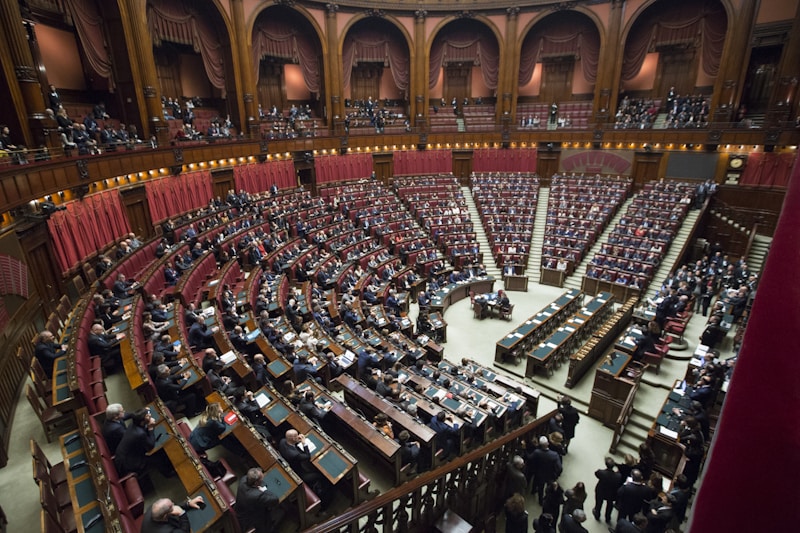
United Nations Assembly


No comments:
Post a Comment